Sensory & Participation
Regulation, Participation and Learning Environments in Schools
When children can orient themselves in their bodies, activities, and surroundings, participation becomes possible.
We work at the intersection of the child, relationships, and learning environments to create
- the conditions for wellbeing, learning, and meaningful participation for all children.
Book a free call
How we support regulation, learning and participation
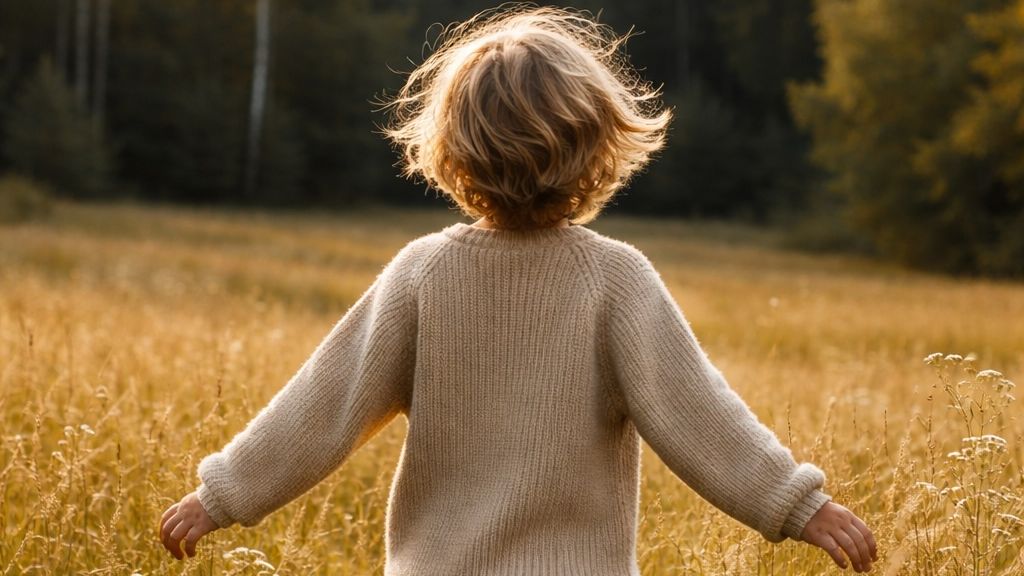
Regulation before learning
When children lose their footing in demands and pace, it is rarely about willingness — but about regulation.
We work with the body and nervous system as the foundation for calm, focus, and participation.
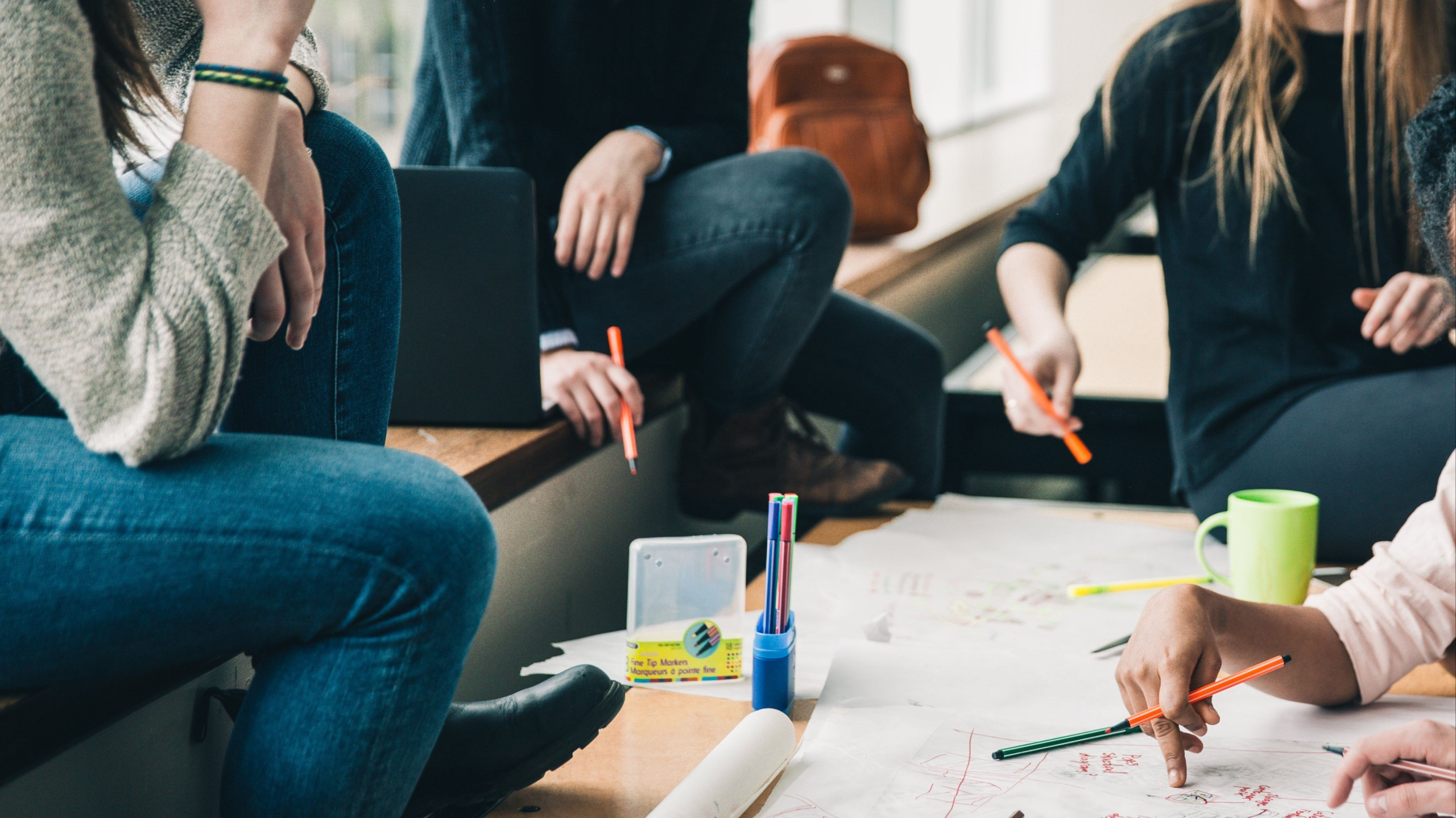
The environment makes the difference
The learning environment is an active co-creator of children’s wellbeing and participation.
Small adjustments in structure, zones, and sensory input can make a noticeable difference in everyday life
— for both children and adults.
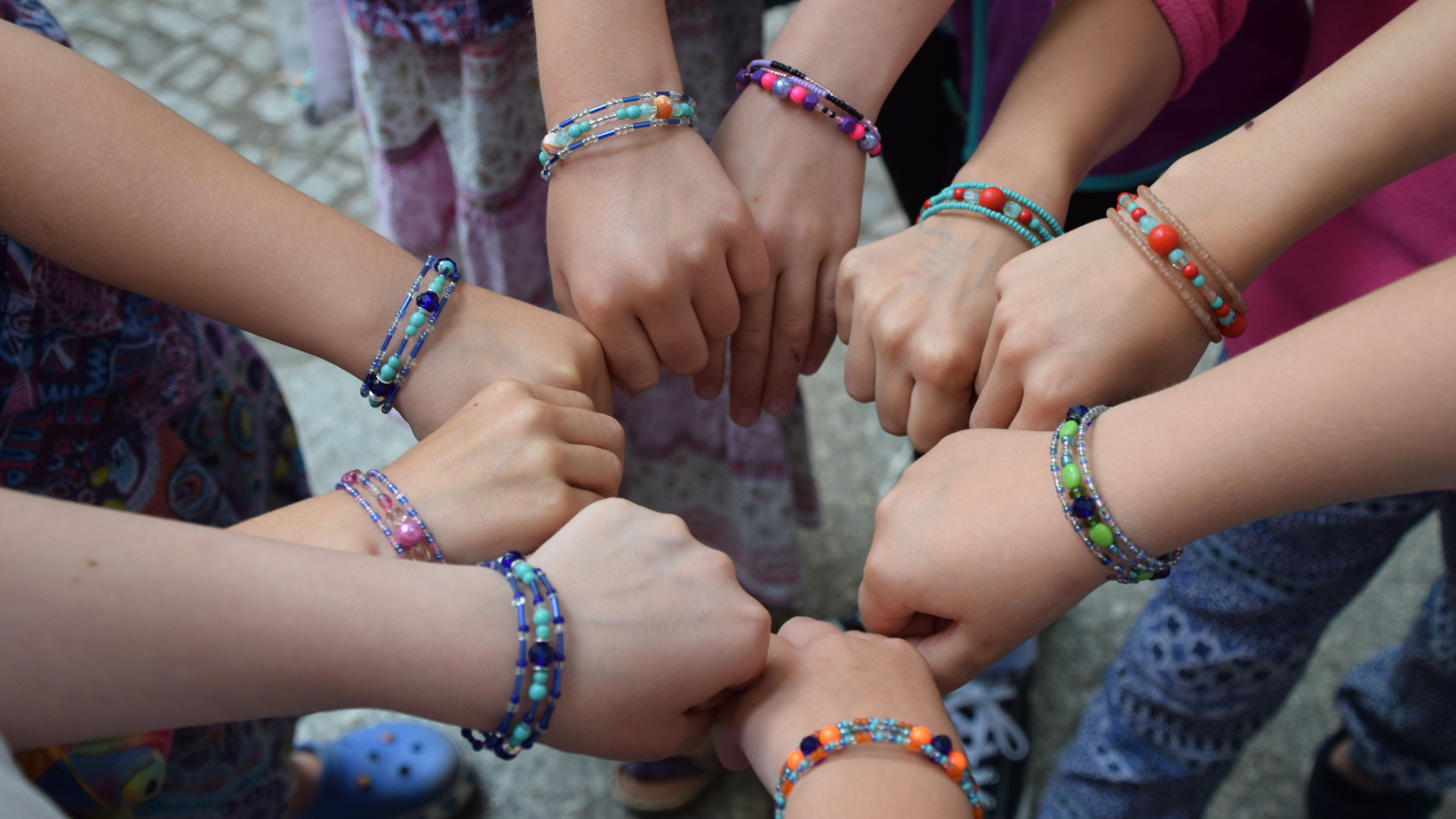
Participation in practice
Teachers and educators gain simple, applicable tools to support regulation and participation
— directly in teaching and during transitions.
Our Approach in Practice
We work directly within the everyday life of the school, creating solutions that make a tangible difference in daily practice.
With the child at the centre, we create coherence between understanding, action, and the environments in which the child participates.
How do we understand participation and wellbeing?
Children do not develop in isolation.
Their ability to learn, thrive, and participate is shaped through the interaction between their body, the activities they engage in, their relationships, and the learning environments around them.
That is why we do not work only with the child.
We work with the entire developmental landscape of which the child is a part.
Our goal is not to add more initiatives, but to create solutions that genuinely work in practice.
Sans og Samspil
How we work
We work closely alongside everyday practice and create solutions that can be felt in real life – with the child at the centre.
Click each step to learn more
Sensory profiling & understanding
We create insight into the child’s sensory processing and regulation
Tools for everyday practice
Simple strategies that can be applied directly in daily settings
Learning environment
We adjust structure and surroundings to support the child’s ability to participate
Guidance in practice
Support for teachers and educators in real-life situations
Coherence around the child
A shared direction between school and home
Integration & follow-up
We ensure that it works — and continues to work over time
When demands exceed capacity
When demands, pace, and sensory input become too much, the child’s nervous system responds — often before the child understands why.
This may show up as:
• restlessness
• withdrawal
• reduced participation
It is rarely about willingness — but about regulation.
These patterns often emerge long before any formal diagnosis and point to a need for practice-based support to restore calm, direction, and participation in everyday life.
A holistic approach in practice
We work with three core areas that together strengthen the child’s conditions for participation:
Body & senses
We map the child’s sensory patterns and support the foundation for regulation and bodily organization.
Learning environment
We adjust the learning environment
so it actively supports calm, focus, and participation.
Small changes in structure, zones, and sensory input can make a noticeable difference in everyday life.
Capacity building
We provide teachers and educators with concrete, applicable tools to support regulation in practice.
A Practice-Based Partnership with Tangible Impact
As a partner school, you will receive:
- Practical tools for classroom teaching
- Concrete regulation strategies for everyday use
- Interdisciplinary support addressing the child, family, and learning environment
- A Sans og Samspil toolkit
- A strengthened learning environment with improved conditions for wellbeing and participation
From Pilot Project to Sustainable Practice
2–3 partner schools participate in a close collaboration, where we jointly develop and test a model that can be embedded locally and sustained beyond the project period.
Project Period: 2026–2028
Integration: Embedded within the school’s existing practices
Ongoing Support: Continuous guidance and professional sparring throughout the project
Sustainability: Competencies, knowledge, and tools remain within the school after the project ends
Scalability: The model is developed with the aim of implementation across additional schools and municipalities
Long-Term Partnership: Schools retain access to professional consultation, guidance, and follow-up support even after the primary intervention phase has been completed.
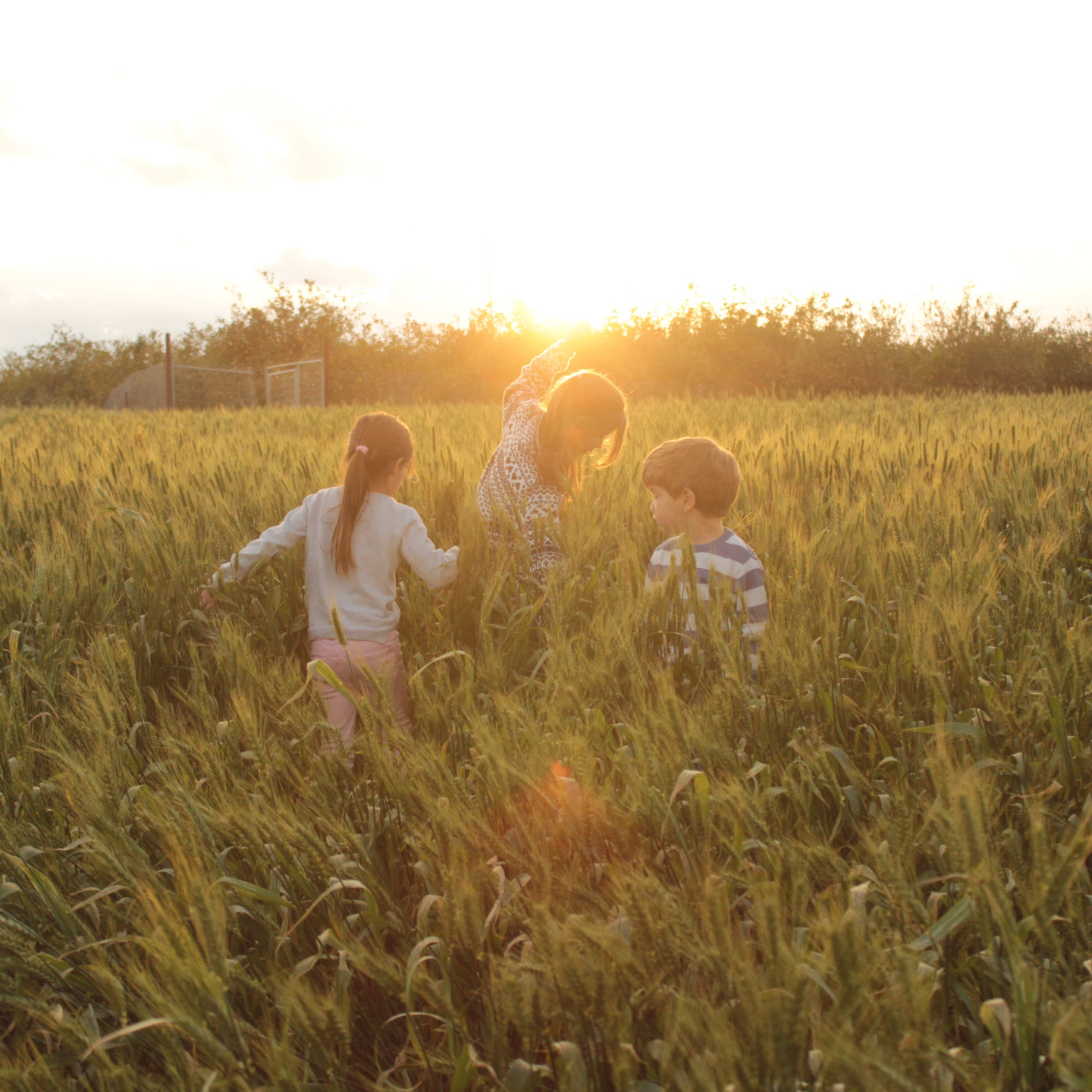
From regulation to participation
The project is rooted in sensory integration, occupational therapy, and occupational science
— with an understanding of both the body and relationships as essential to the child’s development.
We work from a holistic perspective, where wellbeing and learning emerge through the interaction between:
• body and senses
• relationships
• environment
Regulation is not a goal in itself — but a prerequisite for participation.
An interdisciplinary team with a shared focus
Sensory Integration and Interaction is led by an interdisciplinary team
with experience in sensory integration, psychology, and body-based regulation.
We are united by a shared focus:
to strengthen children’s ability to participate in learning and in community.
We work together to understand the child as a whole —
and to create solutions that make sense in everyday school practice.
Ane Viuf-Herseth
Occupational therapist and specialist in sensory integration and learning environments
Ann Due Egeslund
Occupational therapist with extensive experience in sensory integration
and practice-based interventions in collaboration with schools and families
Clea Thastum
Psychologist specializing in children and young people with neurodiversity
and collaboration between school and family
Pernille S. Kjeldal
Pernille has extensive experience working with children and young people with cognitive, sensory,
and self-regulation challenges, with a special focus on sensory integration, participation, and everyday functioning.
Sofie Rønde Erving
Psychomotor therapist focusing on body, regulation,
and relationships in work with school-aged children
Mette Marie Johansen
Occupational therapist with experience working with children and young people
with cognitive and sensory challenges
Meet the team
Book a 20-minute conversation
We look at your everyday practice
and where small changes can make a real difference
Schedule a call
A holistic understanding of the human being in learning
Wellbeing and learning do not arise in one place —
but in the interaction between body, relationships, and environment.
Three dimensions of the child’s wellbeing and learning
Body
Sensation, regulation, and autonomy
The foundation for calm, attention, and participation
Community
Relationships, culture, and belonging
The context for connection, motivation, and participation
The child’s inner experiences — emotions, thoughts,
and sense of self — influence how they are able to participate
Environment
Conditions for participation and learning
The learning environment can either open or limit participation
— shaping what becomes possible for the child
Together, these three dimensions form the foundation
for wellbeing, participation, and learning.
We bring this into practice through:
• Insight into the child’s needs
• Adjustments to the learning environment
• Concrete, applicable tools for everyday practice
Explore the learning environment