An Interdisciplinary Approach Around the Child
Children do not develop in isolation. Their ability to thrive, learn, and participate is shaped through the interaction between their senses, relationships, activities, and environments.
That is why Sans og Samspil is built on an interdisciplinary approach, where occupational therapy, psychology, psychomotor practice, and educational expertise contribute to a shared understanding of the child’s development, wellbeing, and participation.
We build bridges between:
- Occupational therapy and sensory integration
- Psychology and mentalization
- Psychomotor practice and embodied regulation
- Learning environments and participation in everyday practice
We create better conditions for:
- Self-regulation
- Participation
- Learning
- Wellbeing
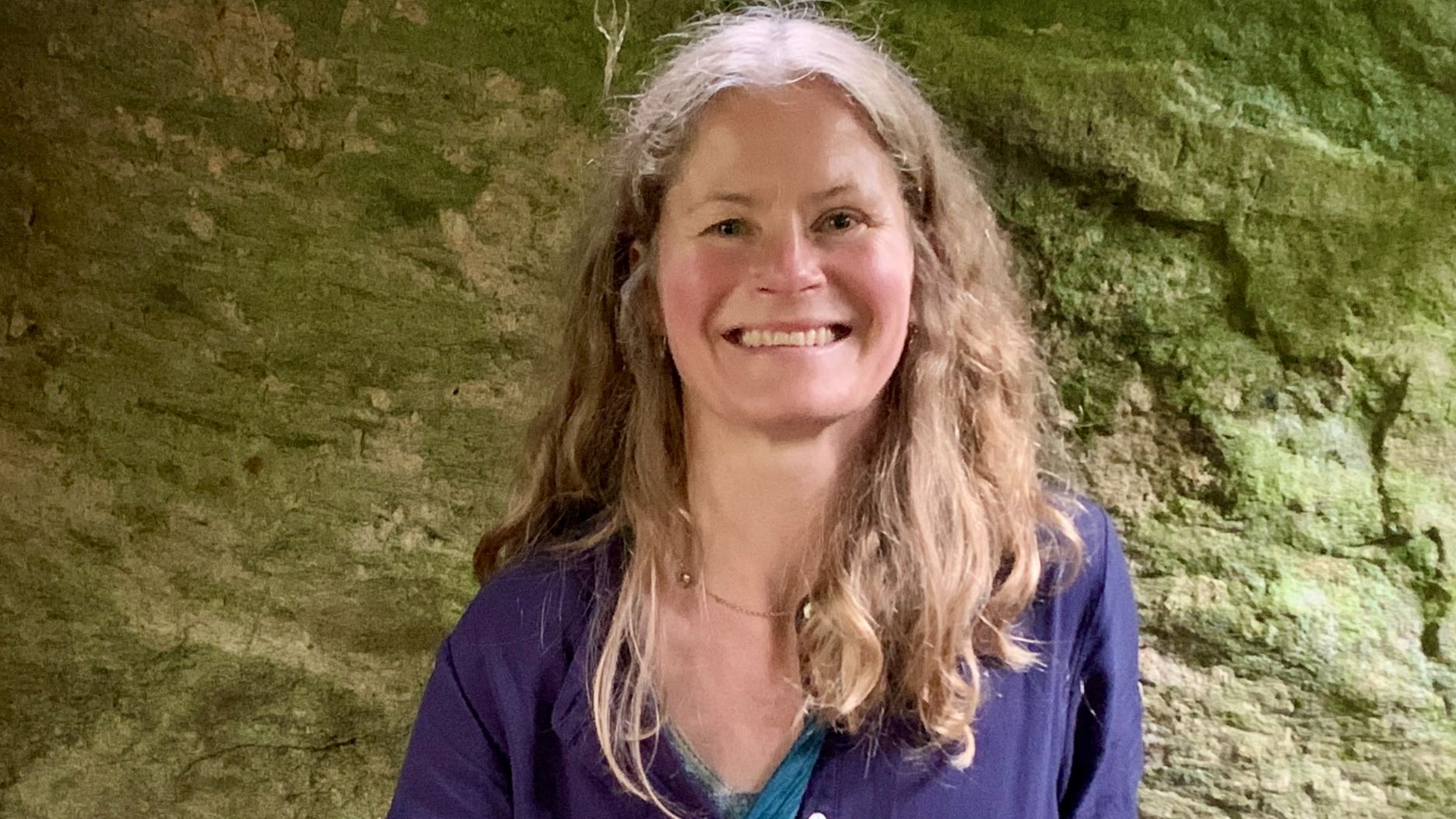
Ane Viuf-Herseth
Project Lead & Occupational Therapist
Ane specializes in sensory integration and works with how the body
and environment together shape a person’s ability to participate in everyday life.
With more than 12 years of experience across practice, teaching,
and development projects, she brings a sharp understanding
of the link between regulation and participation.
She has worked with sensory pilot projects in municipal settings
and now translates this knowledge into practical approaches for schools.
Ane is the founder of Sensory Integration and Interaction and leads the project with a focus on sustainable learning environments
and children’s ability to participate.
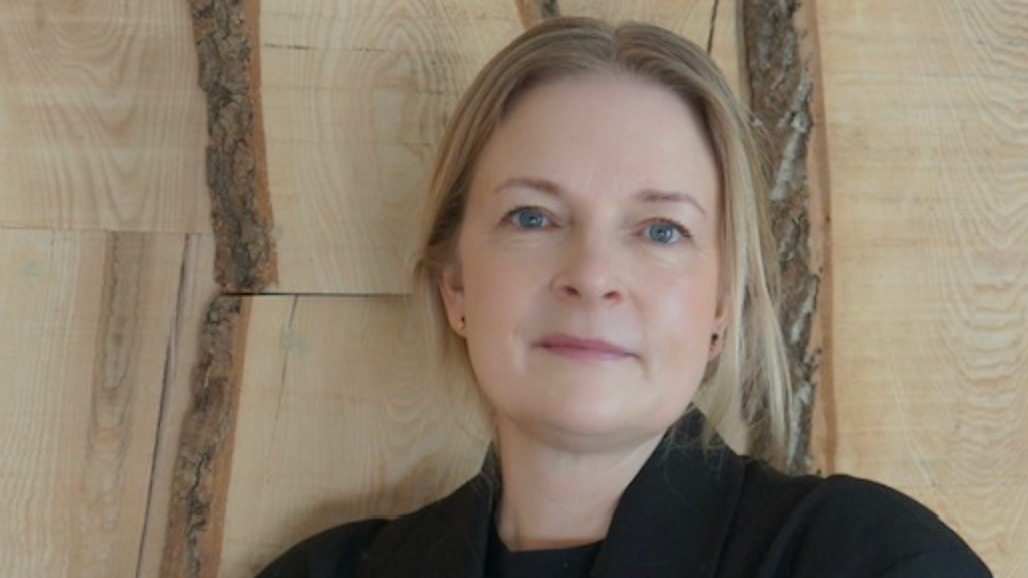
Mette Marie Jordansen
Occupational Therapist
Mette Marie has experience in assessment and intervention
for children and young people with cognitive and sensory challenges.
She works with the relationship between body, brain, and function,
with a particular focus on how demands, energy,
and participation are balanced in everyday life.
Mette Marie contributes with systematic analysis
and concrete initiatives that support the child’s opportunities
for learning, wellbeing, and participation in school.
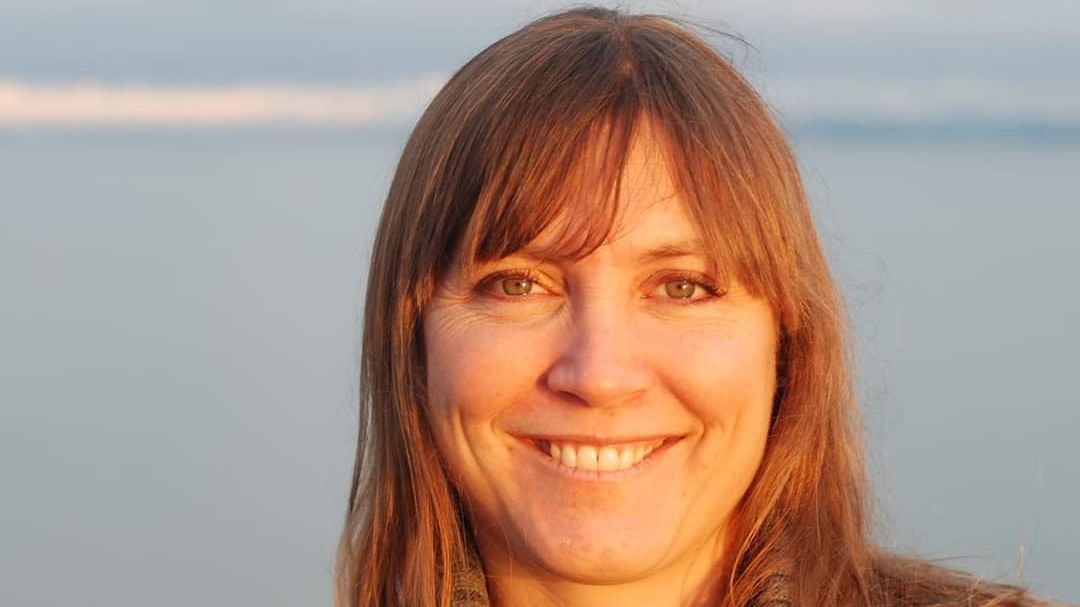
Clea Thastum
Psychologist
Clea works with children and young people with neurodiversity
and has extensive experience in collaboration between school and family.
She brings a deep understanding of the child’s inner world and responses,
supporting both parents and professionals in creating environments
that foster wellbeing and participation.
Clea also works with the child’s self-understanding,
with a focus on strengthening self-awareness, self-acceptance,
and confidence in their own ability to cope.

Ann Due Egeslund
Occupational Therapist
Ann has many years of experience working with children and young people, with a focus on sensory integration, wellbeing,
and participation in everyday life.
She works to understand the child’s sensory and bodily foundations
and translates this knowledge into concrete, practice-based solutions
in collaboration with school and family.
Ann brings a sharp perspective on how learning environments
and activities can be adapted
to support the child’s participation and development.
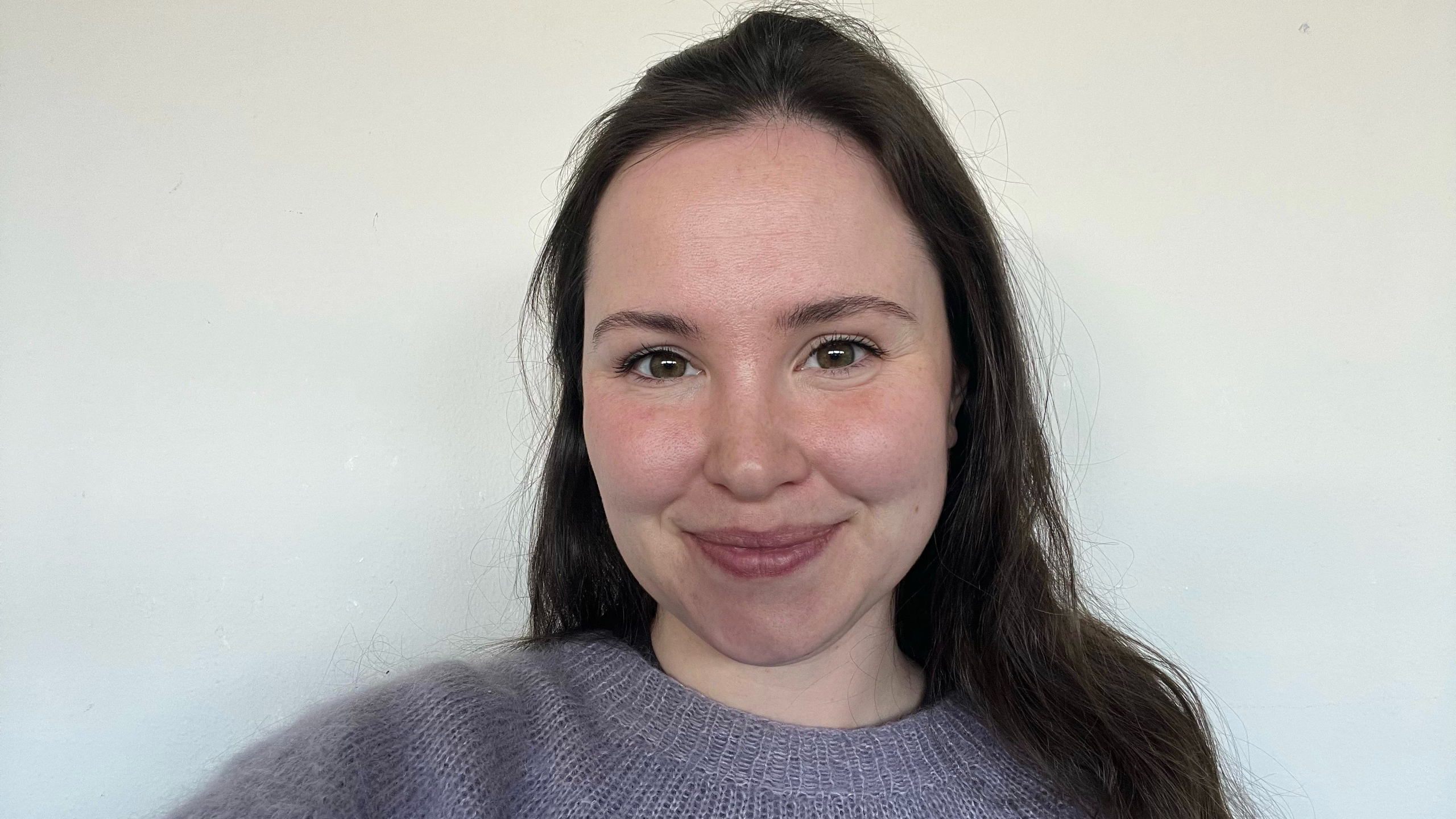
Sofie Rønde Erving
Psychomotor Therapist
Sofie works with young school-aged children through a holistic and resource-oriented approach.
Her focus is on body-based regulation, relationships,
and activities where the body becomes the entry point for development.
Drawing on psychological and pedagogical knowledge,
as well as an understanding of motor skills and body awareness,
she works with the child’s overall wellbeing —
from sensory processing and regulation
to emotional life and participation.
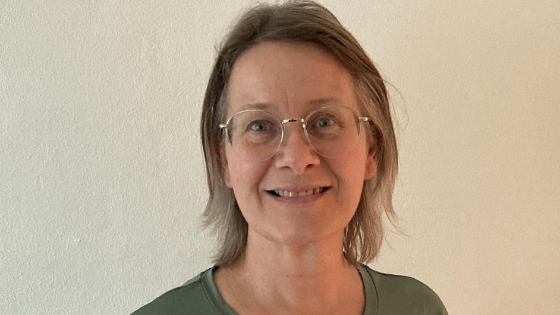
Pernille S. Kjeldal
Neuro-Occupational Therapist
Pernille works to strengthen children’s and young people’s wellbeing, learning, and participation through a holistic understanding of sensory integration, cognition, and self-regulation.
She has extensive experience in sensory profiling and in identifying factors that influence a child’s regulation, attention, and participation in everyday life. She translates professional knowledge into practical strategies that support both families and professionals.
Pernille contributes specialised expertise in self-regulation, energy management, and participation, combined with many years of experience in teaching and professional guidance.
The goal is not to change the child —
but to create the conditions in which the child can participate, develop, and thrive.
We work with both the child’s capacities and the environments they encounter in everyday life.
A holistic understanding of the human being in learning
We work from a fundamental understanding:
Wellbeing and learning arise
through the interaction between body, community, and environment.
Many schools already have a strong focus on pedagogy,
relationships, and education.
This is an essential part of the foundation.
At the same time, we see that the bodily and sensory dimensions
are often given less space —
even though they are crucial
for the child’s ability to find calm, direct attention, and participate.
This is where Sensory Integration and Interaction makes a difference.
We connect pedagogical practice with the child’s bodily foundations
for regulation and participation —
and translate this into concrete, everyday strategies.
Three dimensions of the child’s wellbeing and learning
Body
Sensation, regulation, and autonomy
The child’s ability to sense, regulate,
and organize the body
forms the foundation for attention, participation, and learning.
Community
Relationships, culture, and belonging
Relationships and communities create the context
in which the child develops motivation,
self-understanding,
and the desire to participate.
Environment
Conditions for participation and learning
The learning environment can either open
or limit the child’s opportunity to participate —
and is an active part of how the child thrives and learns.
When it comes together
When body, relationships, and environment align,
it becomes easier for the child to:
• find calm and regulate
• engage in community
• participate in learning on their own terms